
How to Spot a Fake Rolex: 10 Expert Tips to Tell the Difference in 2026
Buying or wearing a luxury watch often raises one important question: how can you tell if a Rolex is fake?
With modern replica technology improving every year, the difference between a genuine Rolex and a high-end fake is no longer obvious at first glance.
In this guide, we’ll walk through 10 expert-level but easy-to-understand checks that help you identify a fake Rolex in real-world situations—updated for 2026 standards.
Why Spotting a Fake Rolex Is Harder Than Ever
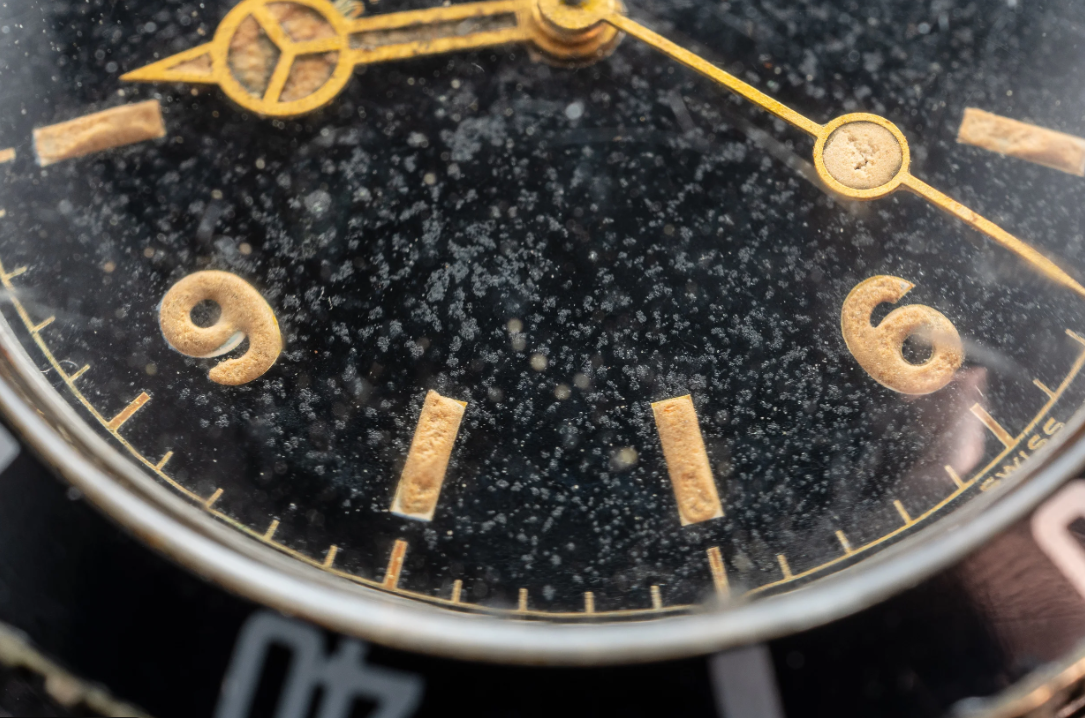
Modern replicas—especially high-grade ones—are no longer cheap imitations. Many now feature:
-
Accurate case dimensions
-
Saphirglas
-
Automatic movements
-
Correct weight and feel
That’s why relying on just “one sign” no longer works. You need to look at multiple details together.
1. Dial Printing and Font Precision
A genuine Rolex dial shows:
-
Perfectly crisp lettering
-
No ink bleeding
-
Even spacing between letters
Red flags include:
-
Slightly thick fonts
-
Uneven spacing
-
Blurry or fuzzy text under magnification
Even high-quality fakes may slip here.

2. The Second Hand Sweep
Rolex automatic movements have an extremely smooth second-hand sweep.
What to check:
-
No obvious “ticking”
-
Smooth, fluid motion
-
No hesitation at marker points
If the movement looks jerky or uneven, it’s a warning sign—though note that modern clones can still perform very smoothly.
3. Cyclops Date Magnification
This is one of the most famous Rolex checks.
Genuine Rolex:
-
~2.5× magnification
-
Date fills most of the window
-
Clear, distortion-free view
Common fake signs:
-
Weak magnification
-
Off-center date
-
Blurry numbers
4. Case Thickness and Profile
Check:
-
Side profile curvature
-
Thickness consistency
-
Smooth transitions between surfaces
Many fakes are either slightly too thick or too flat.
5. Weight and Wrist Feel
A real Rolex feels:
-
Solid but balanced
-
Heavy without being clumsy
Low-quality fakes often feel:
-
Too light
-
Hollow
-
Unbalanced on the wrist
High-end replicas can match weight closely, so this test works best combined with others.
6. Bracelet and Clasp Quality
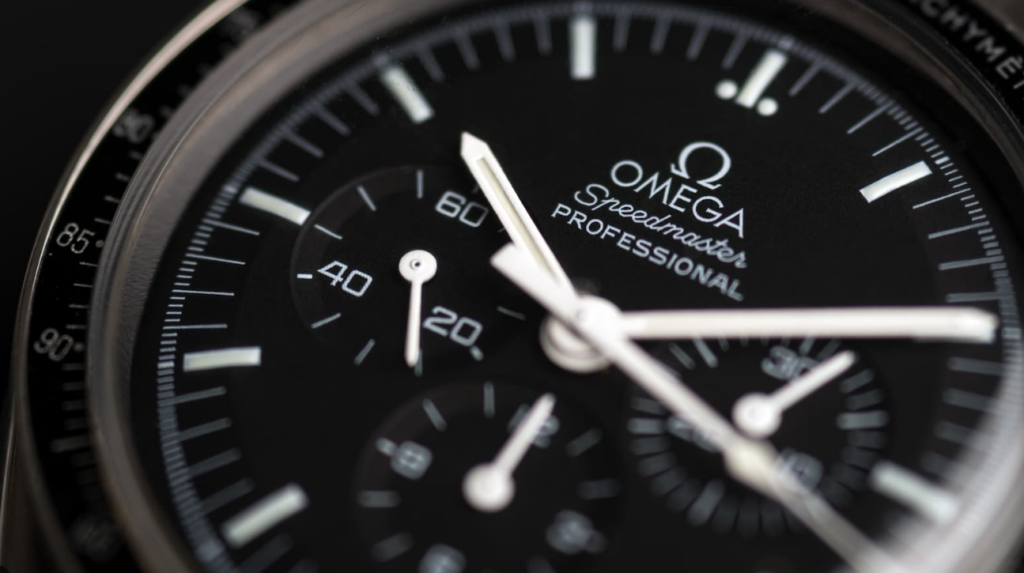
Pay close attention to:
-
Smooth edges
-
Firm clasp snap
-
Clean engravings inside the clasp
Loose clasps, sharp edges, or shallow engravings indicate poor quality.
7. Engravings and Serial Numbers
-
Laser-etched rehaut engravings
-
Perfect alignment with markers
-
Clean, consistent depth
Misaligned or uneven engravings are a strong red flag.
8. Lume Color and Glow
-
Even color in daylight
-
Strong, consistent glow
-
No blotches or mismatched tones
Uneven lume application is common in lower-tier fakes.
9. Movement Sound
Hold the watch close to your ear.
Genuine Rolex:
-
Almost silent
Fake or low-grade replicas:
-
Noticeable ticking
-
Grinding or rattling sounds
High-end clones are quiet—but rarely silent.
10. Price and Seller Behavior
Sometimes the biggest clue isn’t the watch—it’s the deal.
Warning signs:
-
Prices that are “too good to be true”
-
No real photos
-
Vague descriptions
-
Pressure to buy quickly
A legitimate luxury watch transaction never feels rushed.
Can a Super Clone Fool an Expert?
Yes—under certain conditions.
High-end super clone watches can:
-
Pass visual inspection
-
Match weight and dimensions
-
Perform similarly in daily wear
However, under professional authentication or movement inspection, differences will always appear.
Should You Worry About Being “Called Out”?
In everyday life:
-
Almost no one inspects watches closely
-
Most people never notice
-
Enthusiasts rarely confront others
Confidence and context matter far more than microscopic details.
Final Thoughts: Focus on Knowledge, Not Fear
Spotting a fake Rolex isn’t about paranoia—it’s about understanding craftsmanship.
When you know:
-
What to look for
-
Which details matter
-
How quality levels differ
You’re already ahead of most buyers.
Recommended Next Reads
-
What Is a Super Clone Watch?
-
Replica Watch Buying Guide
-
Rolex Submariner Super Clone Review

 English
  Deutsch
  العربية
  Français
  한국어
한국어  日本語
日本語